The Careers Evening Problem
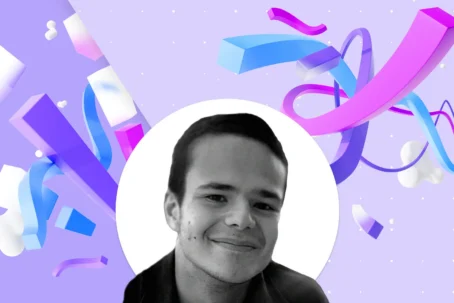
Sam ran a careers evening recently. He asked the room what they thought about market research.
The answers weren’t good.
“It’s not a particularly good brand image,” he says. “The name itself, the language we use – it’s not really motivating people to join. I’d say most people haven’t even heard of it as an industry.”
A thin pipeline means weaker thinking downstream – across every sector that relies on research. It starts with how the industry presents itself.
What Research Actually Is
Ask most people what market research involves and they’ll say surveys. Clipboards. Focus groups, maybe.
Sam’s career is a useful corrective. He came to research through behavioral science and Nudge theory, first encountered during a year at Ogilvy Consulting in Paris. The work was about how people make decisions and how brands could use that understanding to communicate better. From there, his career moved through quant research agencies before landing him at the Metropolitan Police, where he built an insights function from scratch.
The problems he works on there aren’t the kind you’d associate with clipboards. How do you build trust with a city of nine million people when most of your press coverage is negative? How do you measure the effect of internal comms on 40,000 officers?
It’s a version of research most people don’t know exists. Sam put it plainly in the episode:
“If I could do trend hunting for Nike, I’d apply for free. Like that is part of research.”
The work that would actually attract people to the industry – cultural analysis, behavioral science, brand strategy, trend intelligence – is rarely what the industry leads with when it talks about itself.
Why the Name Doesn’t Help
“Market research” describes a methodology, not an outcome. It tells you nothing about what the work involves or why it matters.
Compare it to adjacent roles: UX researcher, cultural strategist, behavioural analyst. These carry a different energy. They attract candidates who might read “market researcher” and scroll past.
The industry needs to speak differently to younger audiences – people who care about sport, music, technology, culture – and show them that research touches all of it. It does.
The Creativity Gap
Sam kept noticing the same thing in his agency years: client presentations would run to fifty slides. The moments that actually stuck were when the team brought in something unexpected – a creative reference, an idea from a completely different sector.
“Creativity is such an underrated resource in research,” he says. “It’s very hard to access. If you go looking for creative inspiration online, it seems to always be Nike and Apple.”
That frustration is what led him to build Uncommon Thread – a free database of around 700 creative examples, all categorised so researchers and marketers can find ideas outside their usual reference points. It started as a personal tool. He put it online because he figured other people had the same problem.
What Needs to Change
Sam stood for election to the MRS Board with two things on his agenda: better talent attraction and more creativity in the industry. (He has since been elected to the MRS Board.)
An industry that leads with creativity – that shows candidates what the work actually looks like at its best – will attract people who want to do that kind of work. Sam puts it plainly:
“There is so much interesting stuff that we do. Tons of different methods, methodologies, techniques, amazing stuff that people do. And people outside just don’t really know that.”
It’s a communications problem. Which is, of course, exactly what market research is supposed to be good at solving.
Advice for Anyone Considering It
Sam’s advice for people starting out pulls in two directions at once – which is probably why it’s useful.
Know the data cold. Especially early on, being the person who knows every number, every methodology detail, every caveat is what gets you into the room. People trust you because they need you there.
But look outside the data too. Follow what you’re actually interested in. If that’s running, track the trends in endurance sport. If it’s music, pay attention to how streaming has changed how artists build an audience. Research is in all of it. The more you read, the better your instincts.
And when routine sets in – as it will – there’s the advice his brother gave him before his first internship:
“Treat each day like it’s day one.”
Go in wanting to impress. Don’t wait for work to come to you. It’s a simple idea – but it’s harder than it sounds.